Navien NPE-240 Tankless Water Heater Installation (Tampa, FL – February 2026)
During a recent service visit in Tampa, Florida, we responded to a home where the gas water heater wouldn’t light. We approached it like a real-time troubleshooting call—verifying the gas supply, checking the ignition sequence, inspecting the venting, and confirming the heater’s overall condition. Once it was clear the existing tank-style unit was no longer dependable, we recommended a long-term upgrade.
The solution was a Navien NPE-240 condensing tankless water heater. A properly installed high-efficiency tankless system can eliminate the common failure points found on aging equipment and deliver steady, on-demand hot water. We removed the old heater, prepared the piping and connections, and set the new unit up for safe operation and easy future maintenance.
This type of installation involves more than hanging a unit on the wall—it requires correct gas line connection, organized water piping, service-friendly components like isolation valves and flush ports, and careful attention to venting and condensate management that comes with a condensing tankless water heater.
After start-up, we tested ignition reliability, temperature stability, and performance across fixtures. The work includes a 1-year labor warranty, plus the manufacturer’s 15-year limited heat exchanger warranty, 5-year limited parts warranty, and a 1-year limited-labor warranty.
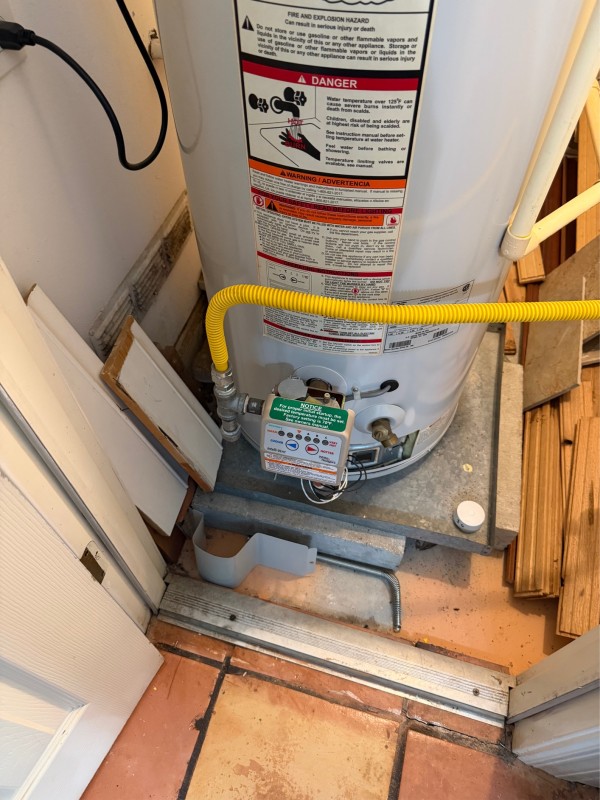
Ignition Troubleshooting at the Old Heater
Here I’m focused on the bottom section of the old tank-style heater where ignition problems often show up. I check the gas control valve settings, confirm the gas shutoff is open, and inspect the burner compartment area for signs of failure. This is a common starting point when a gas water heater won’t light.
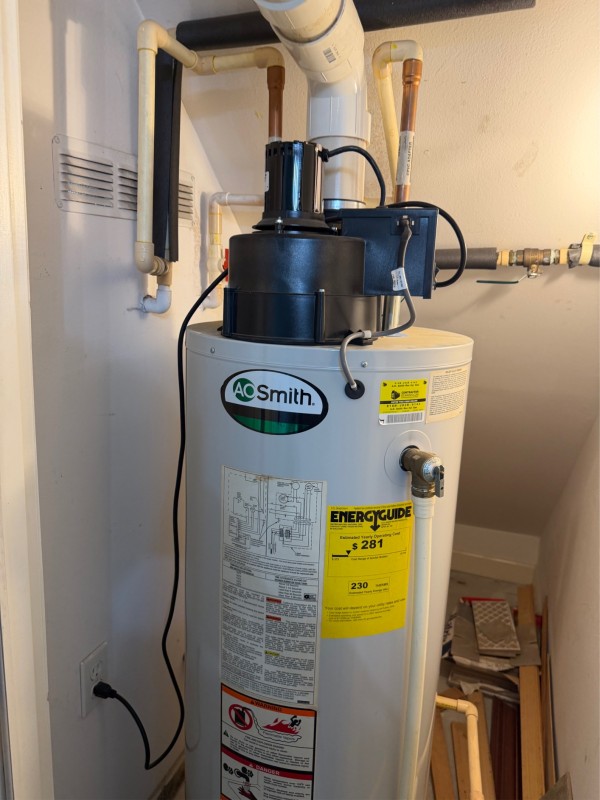
Pre-Removal Assessment of the Existing Heater
This shot shows the original tank unit and its venting setup. Before disconnecting anything, I verify the vent path, confirm the gas line route, and plan the best layout for a tank-to-tankless conversion. Good prep helps the new system fit cleanly and stay code-compliant.
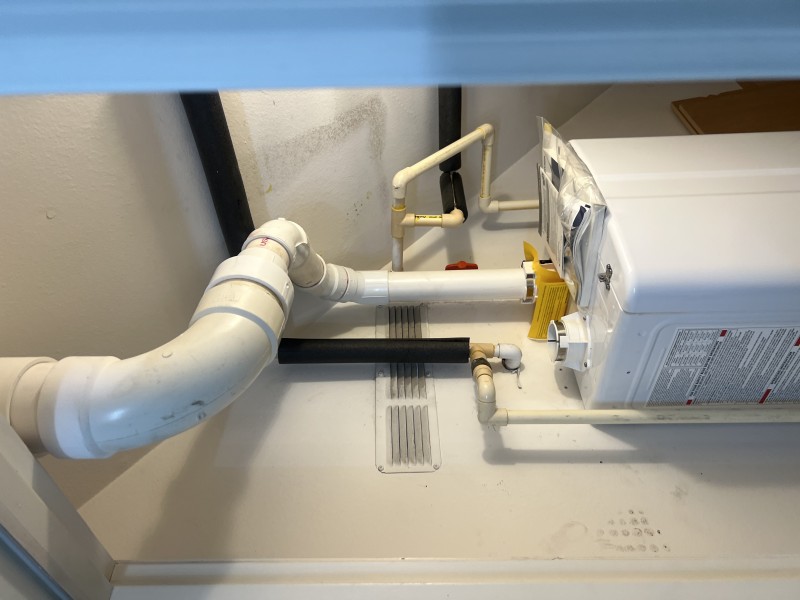
PVC Venting & Tankless System Setup
Here you can see the new tankless unit area with the PVC venting run. Proper vent configuration is critical for safe combustion, reliable ignition, and efficient performance on a condensing tankless water heater. I also make sure pipe routes stay neat and serviceable.
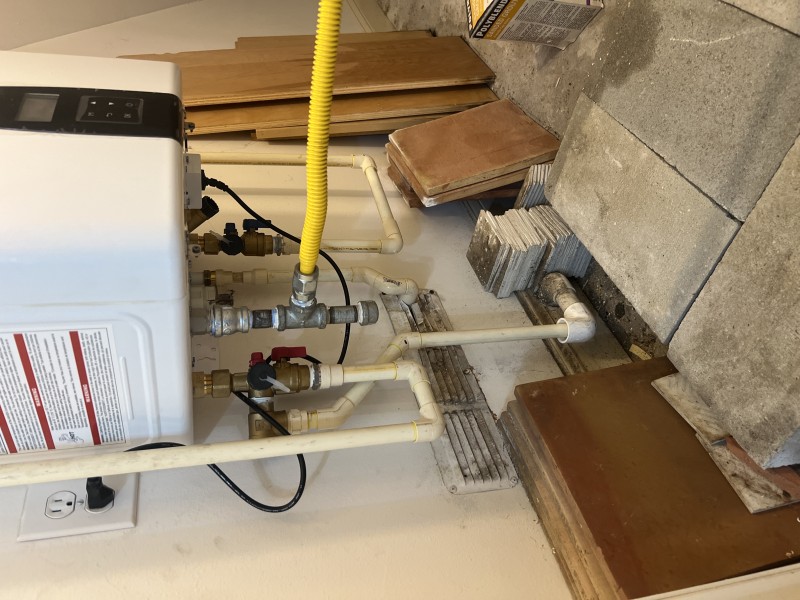
Gas Line Hookup & Service-Friendly Connections
This view highlights the gas flex connector, shutoff, and the organized piping at the tankless unit. After making the connection, I perform a thorough leak test and verify proper gas delivery (often with a manometer) so the Navien can ignite and modulate correctly under demand.
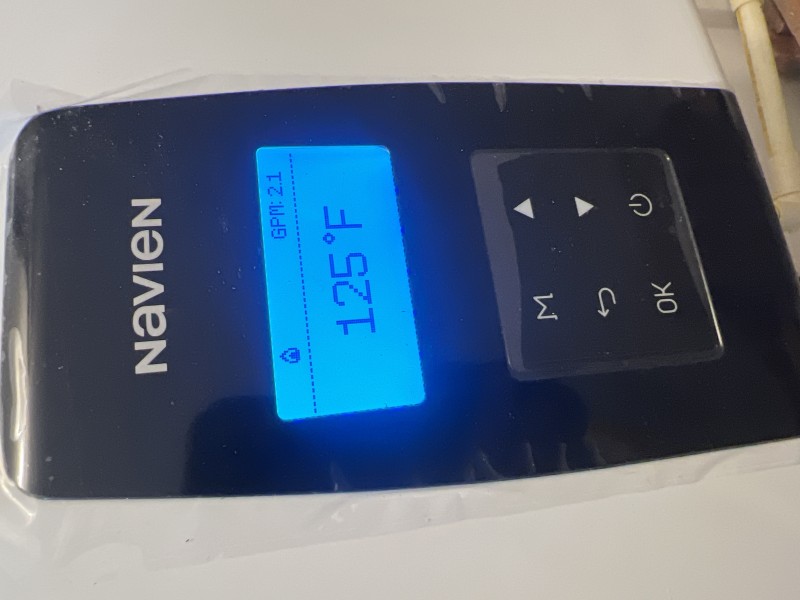
Start-Up Testing & Temperature Setpoint
This is the Navien control display during commissioning. After start-up, I confirm stable ignition, verify the temperature setting (shown here at 125°F), and test hot-water delivery at fixtures. Dialing in the setpoint and confirming consistent performance ensures dependable on-demand hot water.