RPZ Irrigation Backflow Repair & 1" Vacuum Breaker Service
During a service visit in Ocala, Florida in early March 2026, we responded to a report of a leaking irrigation backflow device located beside the home. A properly working RPZ (Reduced Pressure Zone) backflow preventer is critical for protecting the potable water supply from cross-connection risks common to sprinkler systems.
We started with a controlled shutdown of the irrigation supply and a detailed visual inspection of the 1-inch RPZ assembly, unions, and shutoff valves. Leaks at a backflow preventer often point to worn internal check components, debris on sealing surfaces, or compromised fittings—especially on outdoor systems exposed to pressure fluctuations and mineral buildup.
After isolating the source of leakage, we serviced the assembly and verified proper configuration for backflow prevention. Where needed, we installed and secured a 1" vacuum breaker to help prevent backsiphonage, using best practices for sealing and alignment with the flow direction. All connections were tightened to spec and confirmed for stability.
Finally, we restored pressure gradually and performed an operational check for drips, pressure loss, and correct relief function. This step ensures the sprinkler system remains protected, leak-free, and operating reliably.
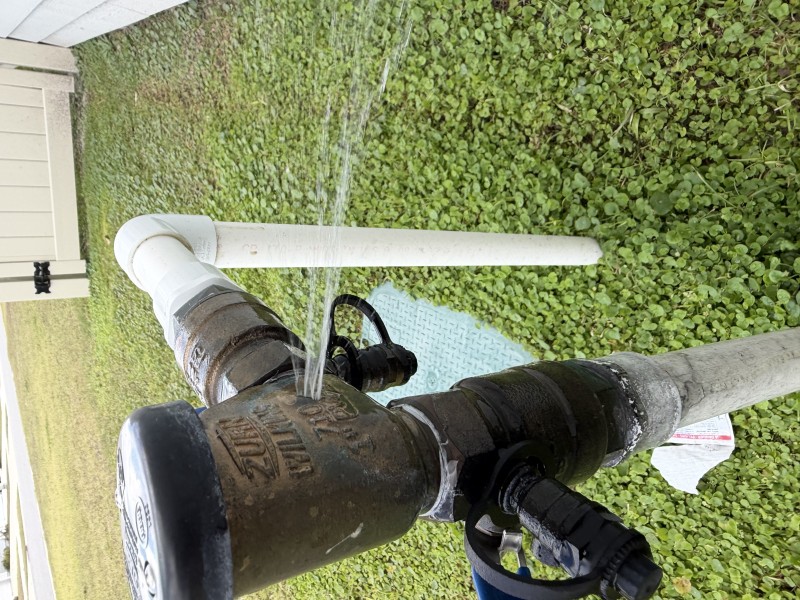
Leak Assessment & Backflow Inspection
Here I’m inspecting the RPZ backflow preventer for leakage around the body, unions, and shutoff points. I look for signs of seal wear, debris buildup, and stress on fittings, then confirm the line can be safely isolated before service.
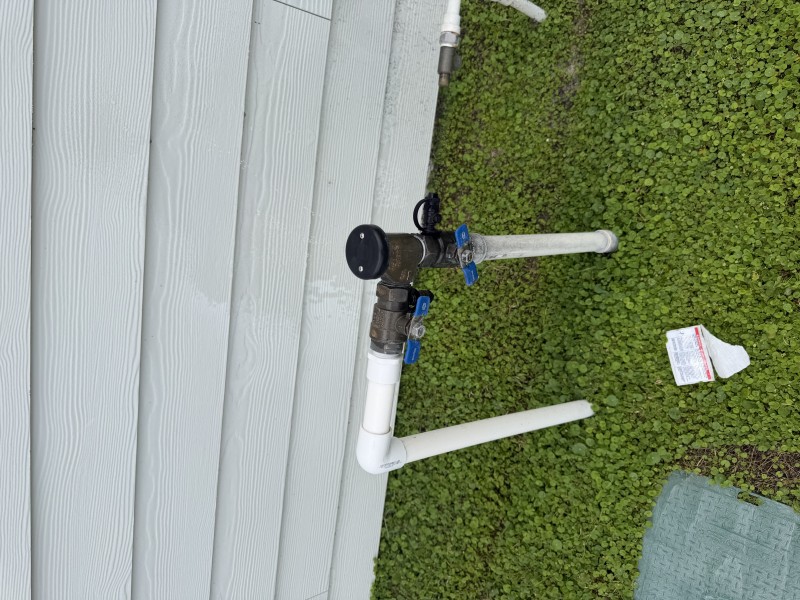
Service Work on the 1" RPZ Assembly
In this step I’m servicing the RPZ connections and sealing surfaces using tools like channel locks and an adjustable wrench. Clean threads, proper alignment, and secure unions are key to reliable backflow prevention and leak-free performance.
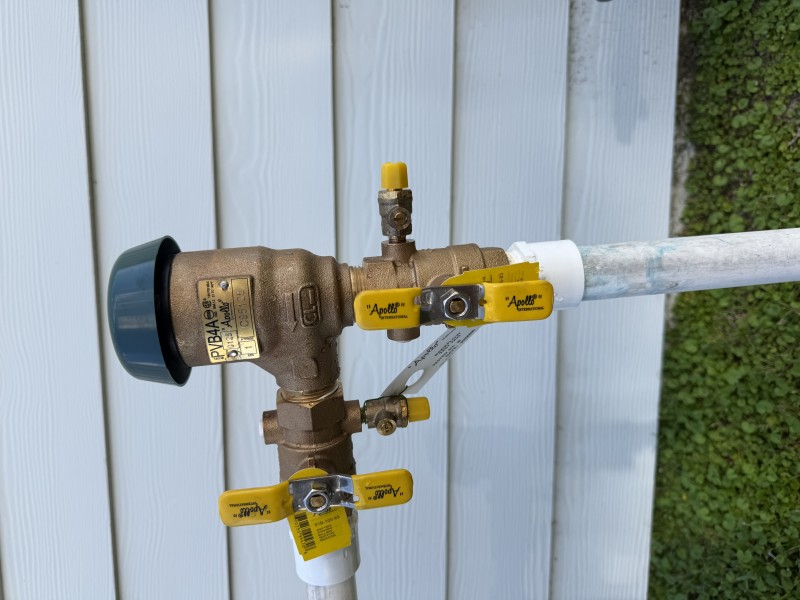
Vacuum Breaker Setup & Final Leak Check
After reassembly, I repressurize the irrigation line slowly and verify the 1" vacuum breaker and RPZ are operating correctly. I confirm there’s no seepage at the fittings and that the system is protected against backsiphonage and cross-connection risks.