Sewer Deep Repair & Drain Line Reroute in Tampa, FL
In November 2025, our plumbing team was called to a property in Tampa, FL with a persistent sewer line backup caused by heavy tree root intrusion. After performing a detailed sewer camera inspection, we confirmed that the existing main line cleanout and drain piping needed a deep sewer repair up to 5 feet below grade and a reroute away from the root zone to correct the issue long term.
To protect the system from future damage, we carefully dug up and moved the main line cleanout about 5 feet and installed all new Schedule 40 PVC sewer piping from the unit’s cleanout to the newly positioned main drain cleanout. We verified proper slope, grading, and alignment so wastewater flows smoothly and the pipe does not develop bellies or low spots that can cause recurring clogs in the main line.
Throughout the project we used professional plumbing tools including a sewer inspection camera, electronic line locator, excavation equipment, and levels to verify the correct pitch on the pipe. Every joint was primed with purple PVC primer and glued with high-quality solvent cement to create a durable, leak-free sewer system that meets current plumbing code. Once we confirmed strong flow and no leaks, we backfilled and compacted the trench to protect the line and restore the work area.
This sewer deep repair and drain line reroute will help prevent future root intrusion, sewer backups, and emergency plumbing calls. The new two-way cleanout also allows for easier maintenance such as hydro jetting, drain snaking, and follow-up camera inspections, keeping the main sewer line in top condition for years to come.
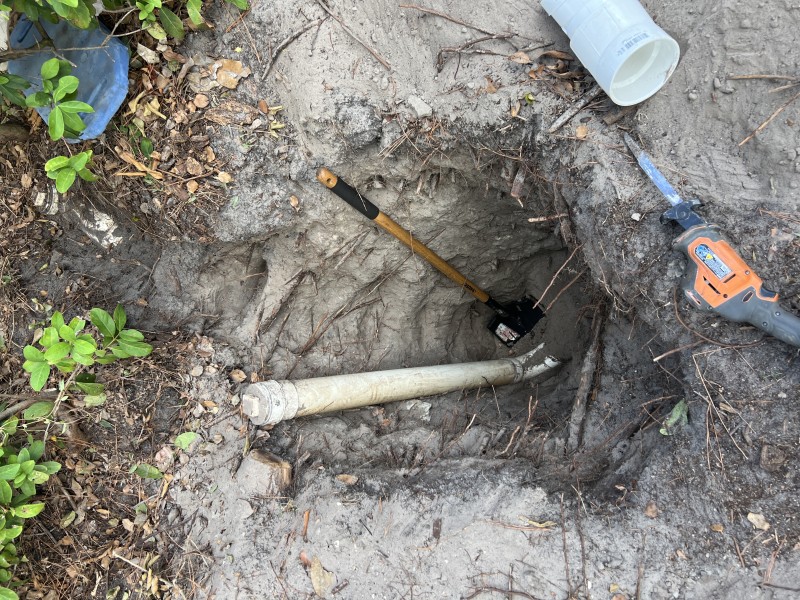
Excavating to Expose the Main Sewer Line
In this photo, the ground has been opened to expose the buried main sewer line so we can perform a deep repair. Careful excavation is crucial to protect nearby utilities and to create a clean, straight trench for the new PVC drain piping that will replace the root-damaged section.
By digging down to the proper depth, we can verify the existing pipe elevation and prepare the sewer system for a properly graded drain line reroute away from tree roots.
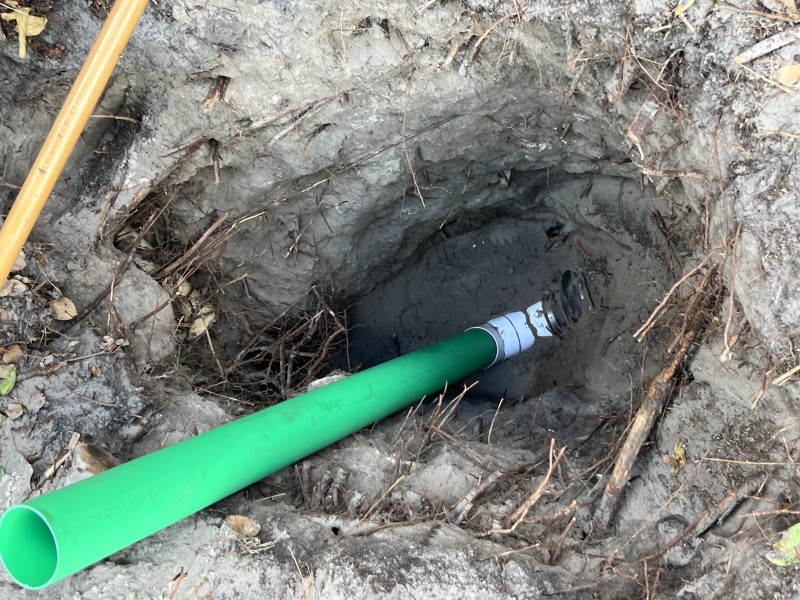
Inspecting the Existing Cleanout and Pipe
Here, the existing sewer cleanout and drain line are fully exposed so we can inspect the fittings, connections, and the surrounding soil. This step helps us determine how tree roots have entered the line and where the new cleanout relocation should be placed for better access.
A thorough inspection ensures that the replacement sewer piping is routed correctly and that future maintenance like snaking and hydro jetting will be simple and effective.
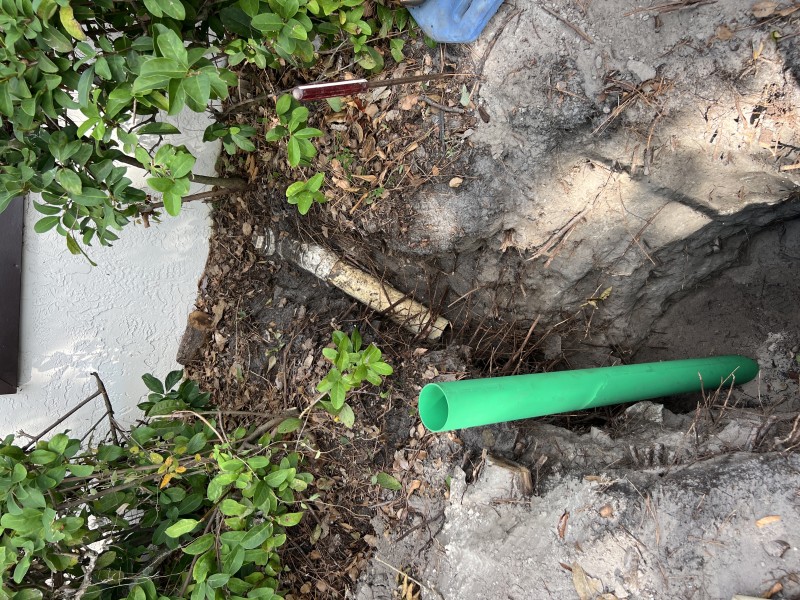
Laying Out New PVC Sewer Piping
This image shows sections of Schedule 40 PVC sewer pipe laid out in the trench as we prepare to reroute the drain line from the unit’s cleanout to the new main cleanout location. Each piece is cut and positioned to maintain a consistent downward slope for proper gravity flow.
Careful alignment of the new underground drain system helps prevent low spots, standing water, and future sewer backups inside the building.
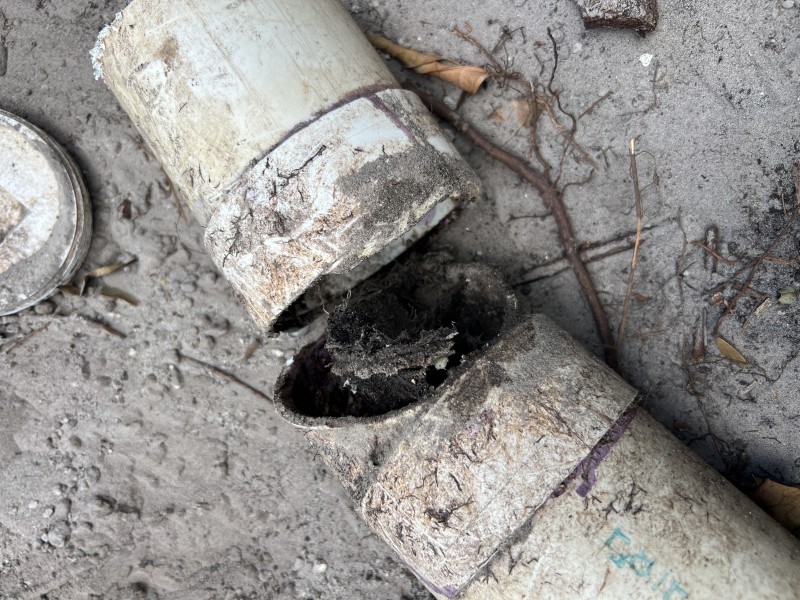
Connecting and Securing PVC Fittings
In this stage of the job, we are joining the PVC fittings and elbows that make up the new sewer route. Every connection is cleaned, primed, and glued to ensure a solid, watertight seal that can withstand ground movement and daily use.
Properly installed fittings are a critical part of any professional sewer line replacement, helping to prevent leaks and root intrusion over the life of the system.
New Cleanout on the Rerouted Main Line
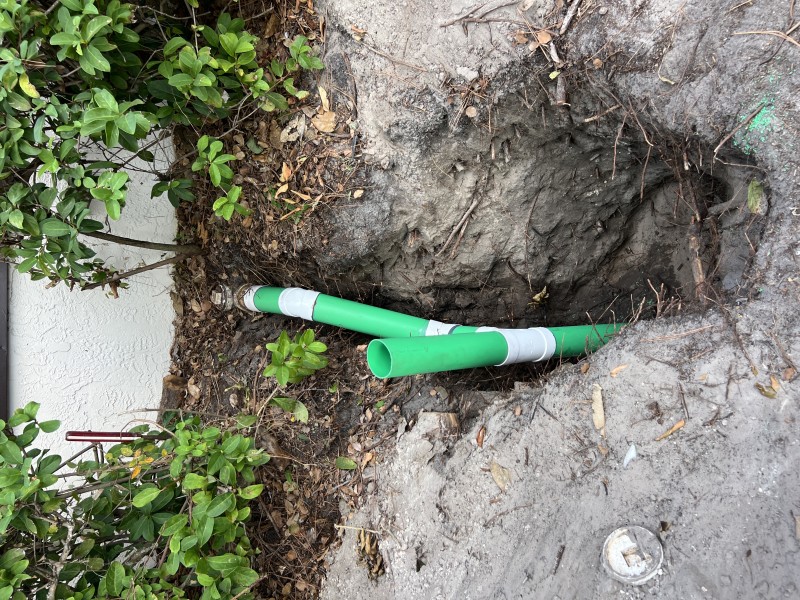
This photo highlights the newly installed cleanout assembly after the drain line has been rerouted away from the tree roots. The new location offers easier access for maintenance while protecting the piping from future root intrusion and soil pressure.
With a properly positioned cleanout, routine drain cleaning and sewer inspections can be performed quickly without additional digging or disruption to the property.
Backfilling and Final Sewer Repair Restoration
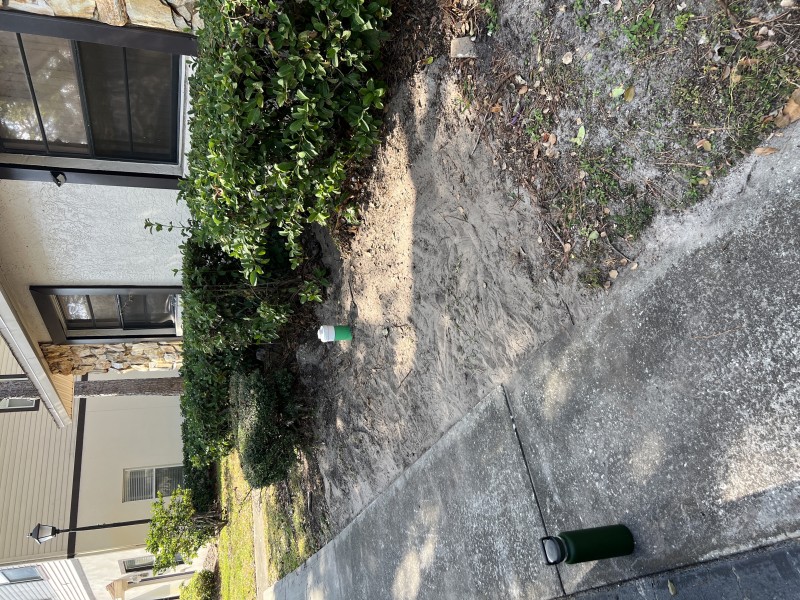
In the final step, the trench over the new PVC sewer line has been backfilled and compacted to protect the pipe and prevent future settling. Proper compaction is essential to keep the line at the correct slope and reduce stress on fittings and joints.
Once restoration is complete, the property is left clean and safe, with a reliable main sewer line that is better protected against tree roots, ground movement, and heavy daily plumbing use.