Tankless Water Heater No Hot Water Repair & Flush (Tampa, FL)
This service call in Tampa, Florida was for a tankless water heater that stopped producing hot water. After verifying the complaint, I performed a step-by-step diagnostic to confirm the unit wasn’t firing due to a water-flow detection issue—a common cause of “no hot water” on tankless systems when internal components get restricted.
Once the cover was removed, I inspected the flow sensor and found the paddle wasn’t moving freely due to a hardened glob of thread sealant lodged in the sensor housing. When the paddle can’t spin, the heater won’t recognize proper flow, so it won’t activate the burner/heating cycle. Clearing the obstruction and restoring smooth paddle movement is critical to getting reliable hot water back.
With the flow sensor corrected, I completed a full tankless water heater flush and descaling using a professional descaling solution to remove mineral buildup. This helps protect the heat exchanger, improves efficiency, and reduces the risk of future temperature swings or ignition faults—especially in areas where hard water can cause scale accumulation over time.
After reassembly, I flushed the plumbing lines to clear any remaining residue, then tested for stable operation. The unit returned to normal performance, producing consistent hot water at the correct temperature with proper flow sensor response. Routine tankless maintenance like descaling service and flow-path inspection can prevent many “no hot water” calls and extend the life of the system.
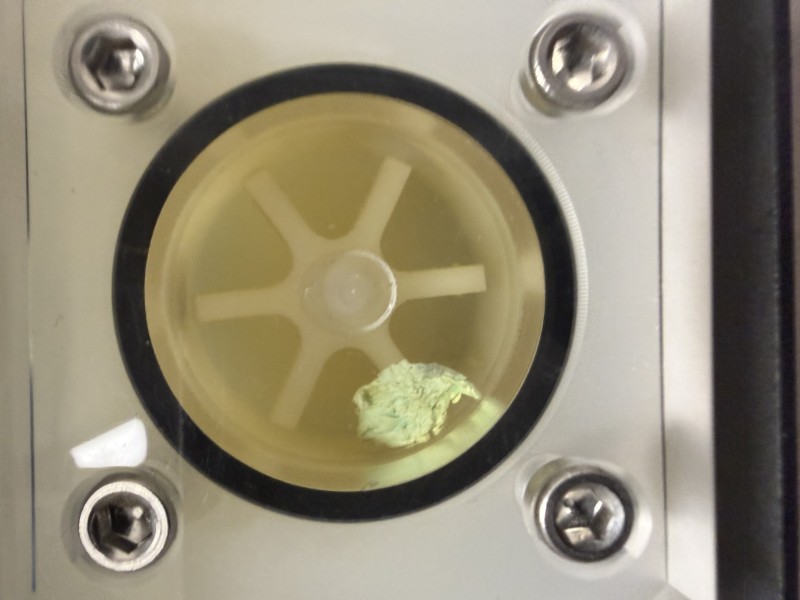
Initial Tankless Heater Diagnostic
Here I’m performing the first hands-on inspection after confirming the no hot water complaint. On tankless units, checking the flow sensor and inlet pathway is critical to restoring proper activation.
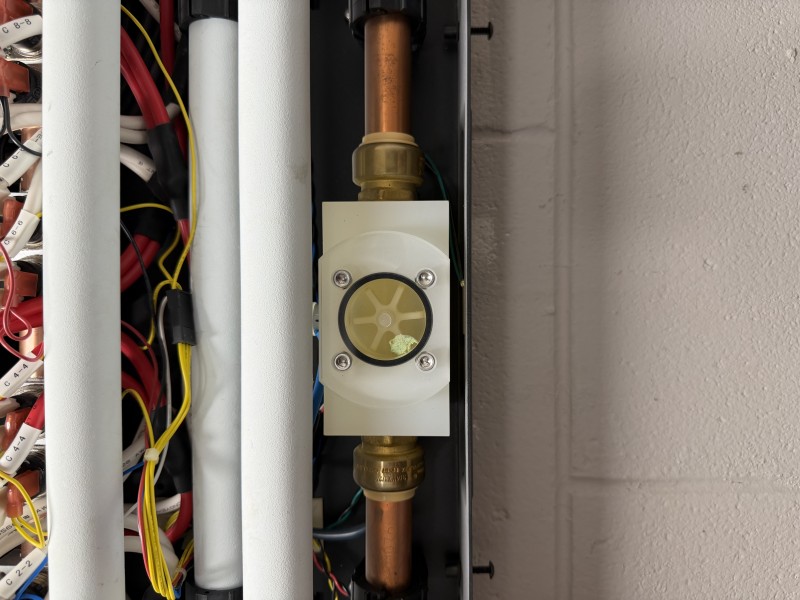
Flow Sensor Paddle Restriction
This image shows the flow sensor area where hardened sealant restricted paddle movement. Clearing this blockage allows the heater to properly sense flow and fire.
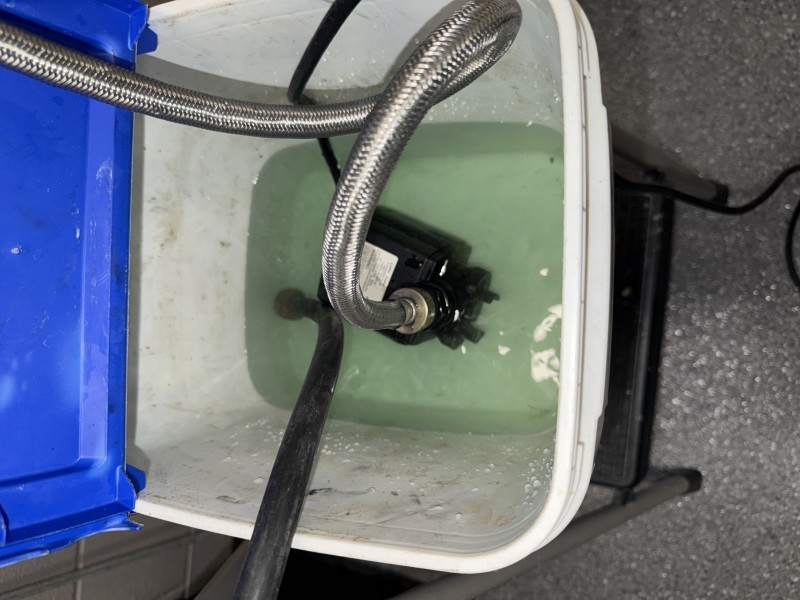
Tankless Descaling & Cleaning
After restoring flow sensor movement, the unit was descaled to remove mineral buildup inside the heat exchanger and water passages, improving efficiency and reliability.
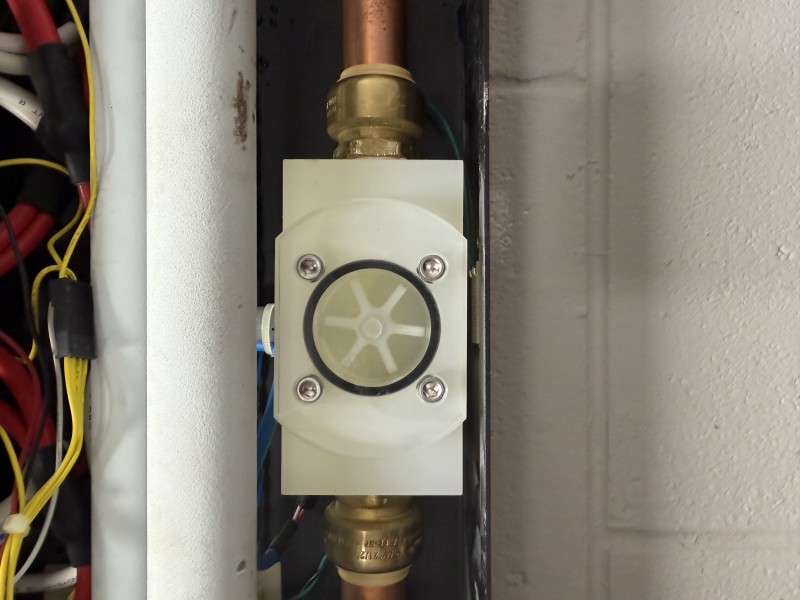
Final Flush & Performance Testing
Once reassembled, the system was flushed and tested to confirm stable temperatures, proper ignition, and consistent hot water delivery throughout the home.