Water Heater Cold-Side Repair in Tampa, FL
During a winter service call in Tampa, FL, the homeowner reported weak hot-water pressure throughout the property. After inspecting the water heater and supply lines, I traced the issue back to the cold-water inlet above the unit, where a short 3/4 inch galvanized steel nipple was heavily corroded and nearly clogged shut. This kind of internal rust buildup is common in older galvanized plumbing and is a frequent cause of low water pressure, rusty water, and leaks.
I safely shut off the water supply, disconnected the flex line to the water heater, and removed the existing ball valve from the deteriorated nipple. Because the fitting was so rotted and seized in place, I used a professional nipple extractor and plumbing hand tools to back the galvanized nipple out of the threaded connection in the wall without damaging the surrounding pipes. Careful use of tools like pipe wrenches, extractors, and thread sealant is critical for preventing broken fittings and future leaks.
Once the failed component was removed, I upgraded the installation with a 3/4 inch brass nipple approximately six inches long. Brass offers superior corrosion resistance and a smoother internal waterway, which helps restore proper flow to the water heater. After applying thread sealant, tightening all connections, and reinstalling the ball valve and flex connector, I slowly turned the water back on, checked for leaks, and confirmed that the system was operating correctly.
With the new brass nipple and properly reconnected cold-water line, the water heater now receives full incoming water volume, resulting in strong, consistent hot-water pressure throughout the home. This type of repair is a great example of how targeted plumbing diagnostics, quality materials, and professional water heater service can extend the life of a system and help prevent emergency plumbing problems in busy residential and rental properties.
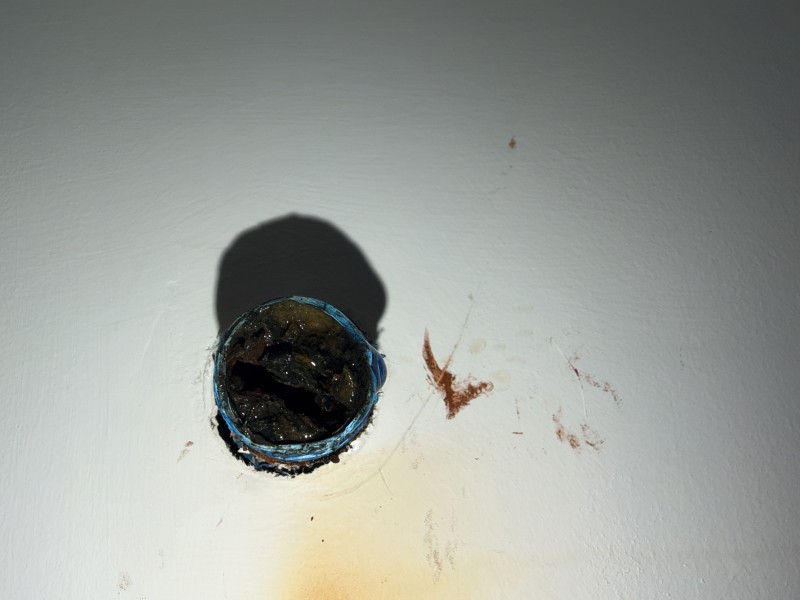
Identifying the Corroded Galvanized Nipple
In this photo, you can see the short, stubby 3/4 inch galvanized nipple coming out of the wall above the water heater on the cold-water side. The fitting is heavily corroded and partially clogged, a common issue in older plumbing systems that leads to restricted flow and low hot-water pressure. Careful visual inspection like this is the first step in accurate water heater troubleshooting and long-term plumbing system protection.
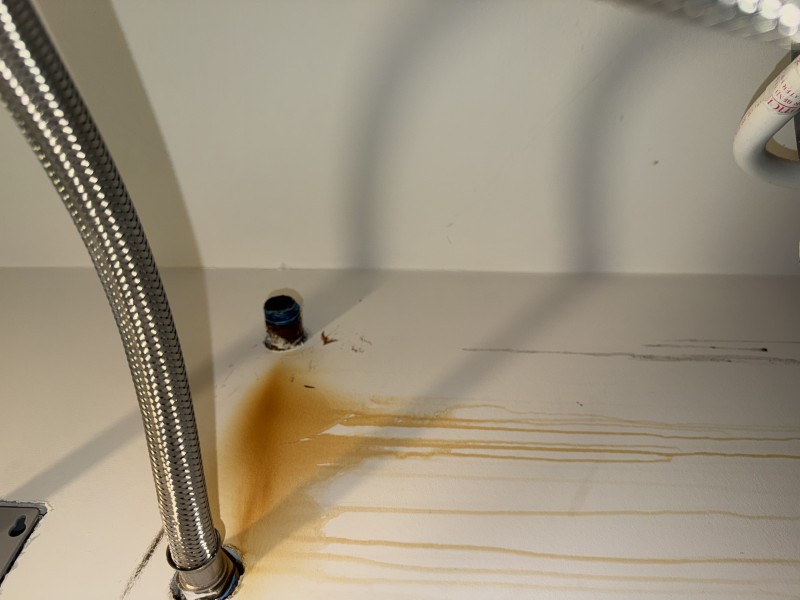
Disconnecting the Flex Line and Valve
Here, the cold-water flex connector and ball valve have been disconnected from the rotten nipple to expose the problem area. This step allows safe access to the threaded connection without putting stress on the water heater or nearby piping. Using proper shutoff procedures, hand tools, and leak checks is essential for any professional Tampa water heater repair or cold-water supply line service.
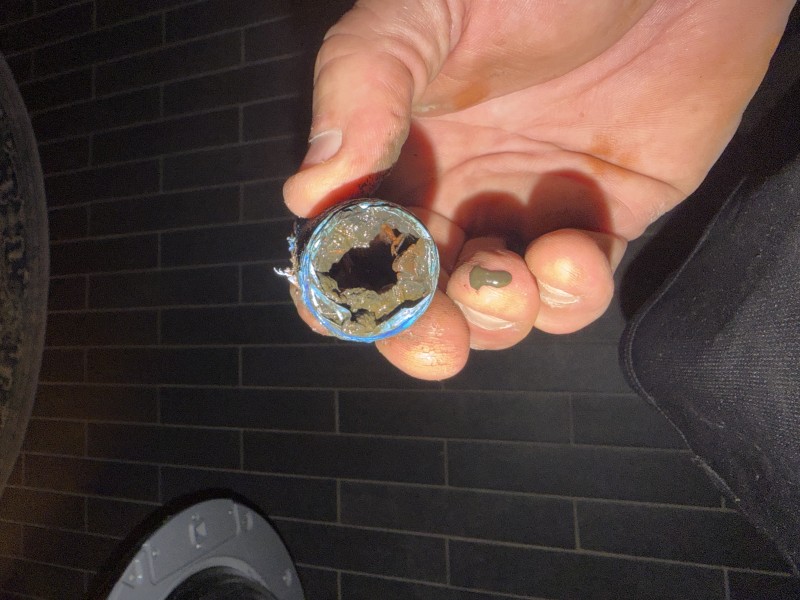
Removing the Rotten Nipple with an Extractor
This image shows the use of a nipple extractor tool to remove the severely corroded galvanized nipple from the wall fitting. Rather than forcing the fitting and risking broken threads or pipe damage, the extractor allows controlled removal of stubborn, rusted components. This is a key part of professional plumbing repair, especially when working in tight spaces around water heaters and existing copper or PEX piping.
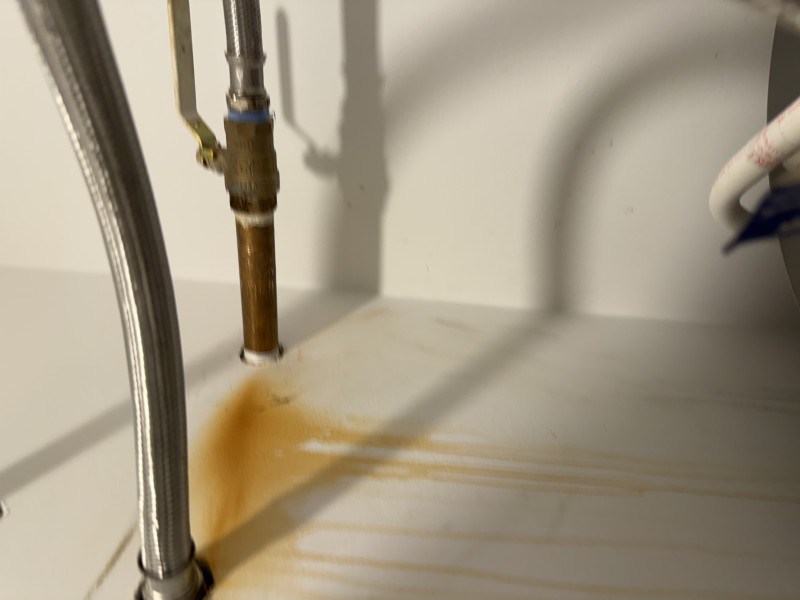
Upgraded Brass Nipple and Restored Water Pressure
In the final result, the failed galvanized fitting has been replaced with a 3/4 inch brass nipple about six inches long, and the ball valve and flex line have been securely reconnected. The new brass connection provides improved corrosion resistance and a clear internal passage for better flow, helping restore strong hot-water pressure throughout the home. This kind of upgrade is a smart long-term solution for water heater maintenance and residential plumbing reliability.